

Elora Health home Request a Consultation
A smiling woman leaning on a railing outdoors

Care

Care that starts with you.

A clinician licensed in your state looks at your history and goals, and decides with you what is appropriate.

  • Clinician licensed in your state
  • Online visits
  • A decision made with you
  • Follow up, not a one-off

Areas of care

Different goals, one way of practicing

A colorful plate of vegetables and eggs on a wooden table

Weight management (GLP-1)

Your history, what you have tried, and whether medication is appropriate at all.

About this service

Weight management is about more than a number on a scale. Elora Health's GLP-1 weight management service connects you with a licensed clinician who will review your health history, goals, and lifestyle to discuss whether a GLP-1 medication such as semaglutide or tirzepatide may be appropriate for you. These medications are meant to be used alongside nutrition and physical activity, and results vary from person to person.

Choosing a medication is not a prescription. A licensed clinician in your state will review your history with you, discuss the potential risks, benefits, and side effects, and decide whether any treatment is right for you. If treatment is prescribed, your clinician will monitor your progress with follow-up check-ins and adjust or stop care as needed.

What a visit considers
  1. Your weight history and what you have tried
  2. Medications and supplements you take now
  3. Medical and family history
  4. Eating, activity, and sleep patterns
  5. Lab results you already have
  6. Your goals, in your own words

A list of what is considered, not a promise of any result

Request a Consultation →
A woman with a backpack walking through open country

GLP-1 microdosing

Semaglutide or tirzepatide, if your clinician decides this approach is appropriate for you.

About this service

GLP-1 microdosing is a lower-dose approach to GLP-1 medications such as semaglutide and tirzepatide. Rather than following a standard titration schedule, your clinician may discuss whether a smaller, individualized dose is appropriate based on your health history, goals, and how you respond to treatment. Lower-dose use is not an FDA-approved regimen, and there is limited clinical research on its safety and effectiveness.

Choosing a medication is not a prescription. A licensed clinician in your state will review your history with you, discuss the potential risks, benefits, and side effects, and decide whether any treatment is right for you. If treatment is prescribed, your clinician will set your dose and monitor your progress over time with follow-up check-ins, adjusting or stopping care as needed.

What a visit considers
  1. Your weight history and what you have tried
  2. Any GLP-1 medication you have used
  3. Medications and supplements you take now
  4. Medical and family history
  5. Lab results you already have
  6. Your goals, in your own words

A list of what is considered, not a promise of any result
Request a Consultation →
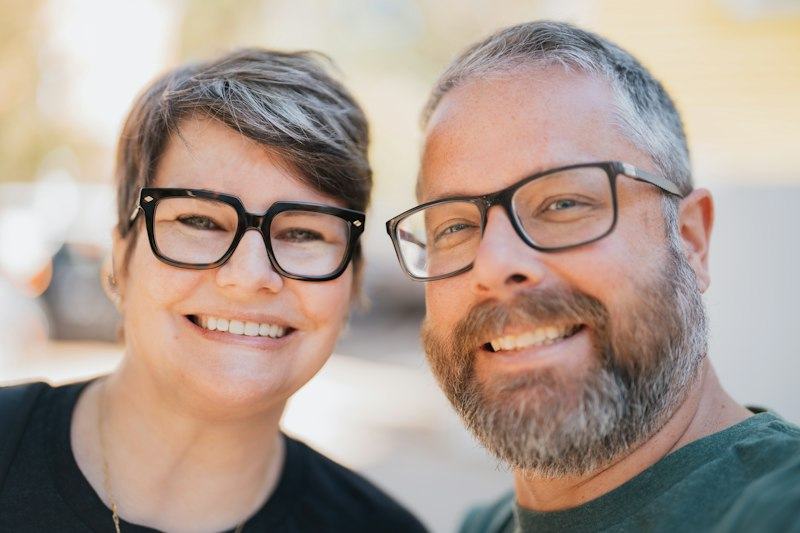
A smiling middle-aged couple wearing glasses

Hormone therapy

What you are noticing, your stage of life, and any recent lab work.

About this service

Hormone changes can affect energy, sleep, mood, libido, and body composition, and symptoms often overlap with other conditions. Elora Health's hormone therapy service starts with a clinician-guided review of your symptoms and health history, including lab work where appropriate. Care may address concerns related to menopause and perimenopause, low testosterone, and thyroid function.

Treatment isn't right for everyone. A licensed clinician in your state will discuss the potential risks and benefits with you and decide whether any treatment is appropriate. If treatment is prescribed, your clinician will monitor your progress with follow-up check-ins and labs and adjust or stop care as needed. Some hormone treatments, including testosterone, are controlled substances and carry eligibility and monitoring requirements.

What a visit considers
  1. What you are noticing, and for how long
  2. Cycle or life stage, where relevant
  3. Medications and supplements you take now
  4. Medical and family history
  5. Recent lab results, or whether new ones are needed
  6. Your goals, in your own words

A list of what is considered, not a promise of any result

Request a Consultation →
A woman stretching on a sunny deck

Peptide therapy

Your goals and history, and whether a peptide is appropriate for you at all.

About this service

Peptides are short chains of amino acids, and some are used in clinical settings to support specific health goals. Elora Health's peptide therapy service connects you with a licensed clinician who can discuss whether peptide-based options may be appropriate for you, based on your health history, goals, and any relevant lab work. Many peptides are not FDA-approved for the uses people commonly seek them for, and research on their safety and effectiveness varies widely.

Choosing a peptide is not a prescription. A licensed clinician in your state will review your history with you, discuss the potential risks, benefits, and side effects, and decide whether any treatment is right for you. If treatment is prescribed, your clinician will monitor your progress with follow-up check-ins and adjust or stop care as needed.

What a visit considers
  1. What you hope to address
  2. Activity, recovery, and past injuries
  3. Medications and supplements you take now
  4. Medical history
  5. Recent lab results, or whether new ones are needed
  6. Your goals, in your own words

A list of what is considered, not a promise of any result

Request a Consultation →
A woman sitting on a bed by a bright window using a laptop

Ketamine therapy

Your history and past treatment. Screening and a separate consent may be required.

About this service

Elora Health's ketamine therapy service connects you with a licensed clinician who can evaluate whether ketamine-based care may be appropriate for you, based on your health history, current symptoms, and any medications you take. Ketamine is a controlled substance and is not FDA-approved for treating mental health conditions, and its use for these purposes is considered off-label. Research is ongoing, and results vary from person to person.

Choosing a therapy is not a prescription. A licensed clinician in your state will review your history with you, discuss the potential risks, benefits, and side effects, and decide whether any treatment is right for you. Eligibility and monitoring requirements apply, and not everyone will qualify. If treatment is prescribed, your clinician will oversee your care with regular follow-up and adjust or stop treatment as needed.

What a visit considers
  1. What you are noticing, and for how long
  2. Treatments you have already tried
  3. Medications and supplements you take now
  4. Medical and mental health history
  5. Safety screening
  6. Your goals, in your own words

A list of what is considered, not a promise of any result
Request a Consultation →
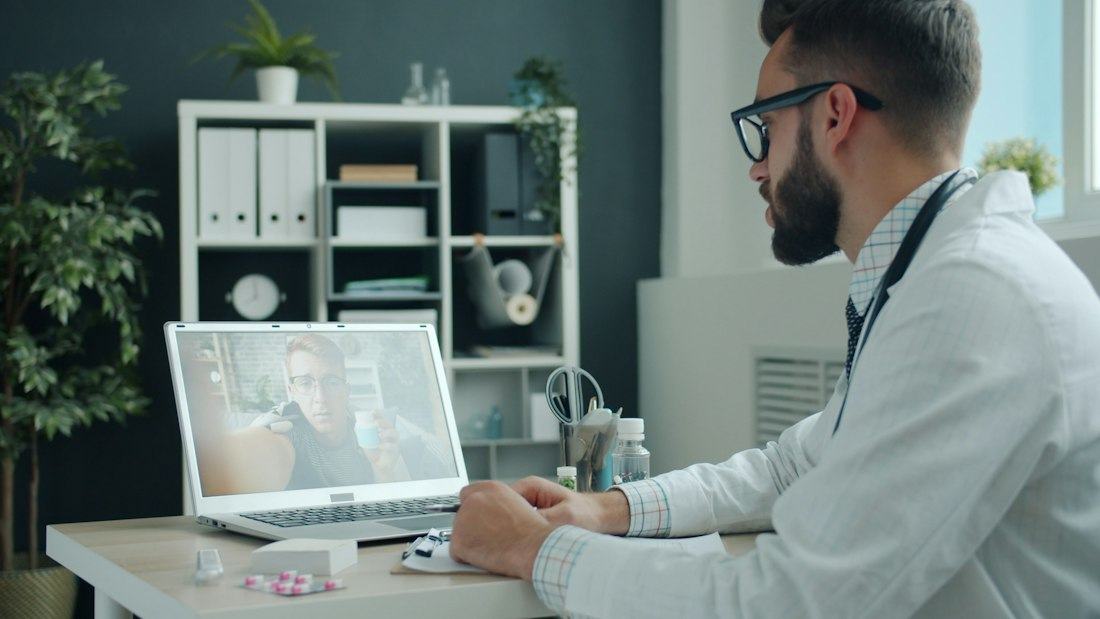
A clinician in a white coat speaking with a patient on a laptop video call

Urgent care

Concerns that do not need an emergency department.

About this service

Urgent care through Elora Health connects you with a licensed clinician by video for non-emergency concerns such as colds, sore throats, rashes, urinary symptoms, and minor injuries. Visits are 30 minutes, and you can be seen without a trip to a waiting room.

Virtual care has limits. A licensed clinician will review your history and symptoms with you and decide whether treatment is appropriate, or whether you need an in-person visit or emergency care. Some conditions can't be safely diagnosed by video, and a prescription is not guaranteed. This service does not provide emergency care. If you think you're having an emergency, call 911.

What a visit considers
  1. What is going on, and when it started
  2. Medications and allergies
  3. Medical history
  4. Whether you need to be seen in person
  5. What to watch for afterward

A list of what is considered, not a promise of any result

Request a Consultation →
A smiling clinician in light blue scrubs seated by a window

Primary care

Everyday health needs and ongoing conditions, with follow up.

About this service

Primary care through Elora Health gives you ongoing access to a licensed clinician by video for preventive care, routine health concerns, prescription management, and help managing existing conditions. Rather than one-off visits, you build a continuing relationship with a clinician who gets to know your history and can follow your health over time. Choose a monthly plan or save with a 6-month plan.

Choosing a plan is not a prescription. A licensed clinician in your state will review your history with you, discuss your needs, and decide whether any treatment is appropriate. Virtual care has limits, and your clinician may recommend labs, in-person visits, or specialist care when needed. This service does not provide emergency care. If you think you're having an emergency, call 911.

What a visit considers
  1. Your health concerns and goals
  2. Ongoing conditions
  3. Medications and supplements you take now
  4. Medical and family history
  5. Lab results, or whether new ones are needed

A list of what is considered, not a promise of any result

Request a Consultation →
A woman sleeping peacefully in a white bed

Mental health

What you are noticing and how long it has been going on.

About this service

Elora Health's mental health service connects you with a licensed clinician by video to talk through your concerns, such as stress, anxiety, low mood, or trouble sleeping, and to discuss options for care. Depending on your needs, your clinician may recommend ongoing support, medication management where appropriate, or a referral to in-person or specialty care. Choose a monthly plan or a 6-month plan.

Choosing a plan is not a prescription. A licensed clinician in your state will review your history with you, discuss the potential risks, benefits, and side effects, and decide whether any treatment is right for you. Virtual care isn't right for every situation, and your clinician may recommend a higher level of care when needed. This service is not for emergencies. If you're in crisis or thinking about harming yourself, call or text 988, or call 911 for immediate danger.

What a visit considers
  1. Mood, stress, focus, and sleep
  2. How long this has been going on
  3. Treatments you have already tried
  4. Medications and supplements you take now
  5. Medical and mental health history
  6. Your goals, in your own words

A list of what is considered, not a promise of any result

Request a Consultation →
A man at a desk on a video call on his laptop

Hair restoration

Your hair loss history, your health, and whether treatment is appropriate for you.

About this service

Hair thinning and loss can have many causes, including genetics, hormone changes, stress, nutrition, and underlying medical conditions. Elora Health's hair restoration service connects you with a licensed clinician who will review your health history and any relevant factors, then discuss options that may be appropriate for you, which can include prescription medications. Results vary from person to person, and treatment often needs to be continued to maintain any benefit.

Choosing a plan is not a prescription. A licensed clinician in your state will review your history with you, discuss the potential risks, benefits, and side effects, and decide whether any treatment is right for you. If treatment is prescribed, your clinician will monitor your progress with follow-up check-ins and adjust or stop care as needed. This service does not provide emergency care. If you think you're having an emergency, call 911.

What a visit considers
  1. When your hair loss started and how it has changed
  2. Family history of hair loss
  3. What you have already tried
  4. Medications and supplements you take now
  5. Medical history and lab results you already have
  6. Your goals, in your own words

A list of what is considered, not a promise of any result

Request a Consultation →

Every visit

The same rules, whatever the visit is about

Licensed in your state

Your clinician is licensed where you are during the visit.

A decision made with you

A prescription, a different plan, or a referral elsewhere.

Follow up, not a one-off

Plans are reviewed and can change. Message your team in between.

Knowing the limits

When telehealth is not the right fit

Elora Health is not an emergency service.

Call 911 or go to the nearest emergency department

Do not wait for a telehealth visit or send a message if you have:

  • Chest pain, pressure, or tightness
  • Trouble breathing
  • Signs of a stroke: face drooping, arm or leg weakness, or difficulty speaking
  • A severe allergic reaction, or swelling of the face, lips, or throat
  • Severe bleeding, a serious injury, or fainting
  • Thoughts of harming yourself or someone else. You can also call or text 988 to reach the 988 Suicide and Crisis Lifeline.

See a clinician in person when

  • A concern needs a physical examination, imaging, or a procedure
  • A symptom is new, sudden, or getting worse quickly
  • You will not be in a state we serve at the time of the visit
  • You are under 18

Not sure which area fits?

The categories describe what a visit may cover, not what any treatment will achieve.